The Ultimate Introduction to Fitness Trends Shaping the Future of Wellness
The concept of "fitness" has expanded in recent years. Once limited to gym workouts or sports activities, it now includes holistic practices like yoga, digital coaching, wearable technology, and even virtual reality workouts. These trends emerge in response to cultural changes, medical research, and advances in technology.
As people look for more personalized and sustainable ways to stay healthy, the global fitness industry continues to evolve, offering diverse options that are accessible to broader audiences.
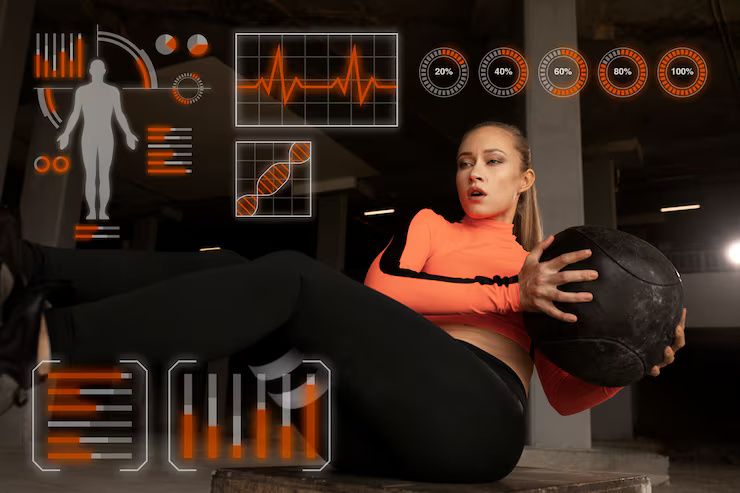
Why fitness trends matter in today’s world
Fitness trends are more than just passing fads—they reflect broader societal shifts. Today, many people face lifestyle challenges such as sedentary work, stress, sleep issues, and limited time for physical activity. As a result, the way people approach fitness is changing.
Who is affected?
-
Office workers with limited movement during the day
-
Older adults seeking low-impact exercises
-
Young people using fitness apps and social media for health advice
-
Individuals recovering from illness or managing chronic conditions
-
Fitness professionals adapting to digital platforms
Problems these trends help solve:
-
Lack of time or motivation for traditional gym visits
-
Need for remote or home-based fitness solutions
-
Desire for mental well-being along with physical health
-
Interest in sustainable, long-term wellness habits
In short, these trends respond to real needs—offering more inclusive, flexible, and holistic approaches to health.
Recent updates and emerging fitness trends
The past year has seen major developments in how fitness is practiced and accessed. These updates reflect both technological advances and shifting consumer preferences.
| Trend | Description |
|---|---|
| Hybrid fitness models | Combining in-person and virtual sessions (e.g., gym + app access) for convenience and flexibility. |
| Wearable health tech | Devices like smartwatches now offer real-time tracking of heart rate, sleep, stress, and blood oxygen. |
| AI-powered personal training | Apps like Fitbod and Freeletics use AI to customize workouts based on user data. |
| Mental wellness integration | Fitness programs increasingly include meditation, breathing exercises, and mindfulness. |
| Inclusive and adaptive fitness | More programs designed for seniors, people with disabilities, and various body types. |
| Micro workouts | Short 5–15 minute exercise routines are gaining popularity for busy lifestyles. |
In February 2025, Apple introduced new health insights for its Fitness+ users, while Peloton added guided strength training and mental wellness sessions in May 2025. These reflect a broader move toward comprehensive digital wellness ecosystems.
How fitness trends are shaped by laws and policies
Governments and public health organizations increasingly support fitness initiatives, recognizing the role of physical activity in disease prevention and mental health. Policies vary by country but often focus on accessibility, safety, and public health promotion.
Here are some examples of how regulations and programs impact fitness trends:
| Region | Policy or Program | Effect on Fitness |
|---|---|---|
| United States | CDC's Physical Activity Guidelines | Encourages adults to get 150 minutes of moderate-intensity activity weekly. |
| European Union | EU Health Promotion Strategy | Supports community fitness programs and active transport like biking. |
| Australia | “Sport 2030” National Policy | Aims to increase physical activity across all age groups through sport and fitness initiatives. |
| Singapore | Healthier SG Initiative (2023) | Promotes preventive health, including regular fitness tracking and coaching. |
| Canada | ParticipACTION Campaign | Provides national fitness recommendations and resources for all ages. |
Public schools, workplaces, and city planning increasingly include physical activity as part of broader health and sustainability goals. Fitness apps and programs must also follow data privacy laws like GDPR in the EU and CCPA in California when handling personal health information.
Tools and resources to support modern fitness goals
Whether you're a beginner, a casual exerciser, or a wellness professional, numerous tools are available to help you stay on track with evolving fitness trends.
Popular Fitness Apps:
-
Nike Training Club – free workouts, strength, and mobility sessions
-
MyFitnessPal – nutrition tracking and calorie counting
-
FitOn – free fitness classes led by trainers
-
Centr – holistic wellness including fitness, food, and mindfulness (co-founded by Chris Hemsworth)
Wearable Devices:
-
Apple Watch – real-time fitness and health tracking
-
Fitbit – step count, sleep monitoring, stress management
-
Garmin – advanced tracking for runners, cyclists, and swimmers
Online Platforms:
-
YouTube Fitness Channels – free home workouts (e.g., FitnessBlender, Chloe Ting)
-
Peloton – subscription-based classes including cycling, yoga, and strength
-
Aaptiv – audio-guided workouts for running, strength, and meditation
Free Resources and Tools:
-
WHO Global Physical Activity Toolkit
-
CDC Exercise Planning Guide
-
Physical Activity Readiness Questionnaire (PAR-Q)
-
Local community center or public health websites
These tools are designed to support a wide range of needs and help people make informed, personalized fitness choices.
Frequently Asked Questions
1. What is the biggest fitness trend in 2025?
One of the most prominent trends is hybrid fitness, which combines digital and in-person workouts to provide flexibility. Users can attend live classes, follow app-based plans, or do both, depending on their schedule.
2. Are fitness apps and wearables accurate?
Most modern devices provide reasonably accurate tracking for steps, heart rate, and calories burned. However, they may not replace professional health assessments. They are best used as motivational and tracking tools, not medical devices.
3. How can older adults or beginners start following new fitness trends?
Many trends now include beginner-friendly and low-impact options. Apps often offer senior-focused programs or mobility-focused workouts. Consulting a healthcare provider before starting is also recommended.
4. Are micro workouts really effective?
Yes, studies show that short bursts of movement throughout the day can improve cardiovascular health and strength. For busy people, these mini routines offer a practical way to stay active.
5. How is mental health connected to fitness trends?
Modern fitness now includes mind-body practices such as mindfulness, breathwork, and stress reduction techniques. Physical activity is also linked to improved mood, sleep, and reduced anxiety.
Visual Overview of Key Fitness Trends
| Trend | Benefits | Popular Tools |
|---|---|---|
| Wearable Fitness Tech | Real-time health data, motivation | Apple Watch, Fitbit, Garmin |
| AI Personal Trainers | Custom workout plans, adaptability | Fitbod, Freeletics |
| Mental-Wellness Integration | Stress relief, better focus | Calm, Headspace, Peloton Mind |
| Inclusive Fitness | Access for all abilities and ages | SilverSneakers, Adaptive Yoga |
| Short-Form Workouts | Time efficiency, flexibility | 7-Minute Workout, YouTube routines |
Final thoughts
Fitness is no longer just about lifting weights or running long distances—it’s now a multidimensional approach to well-being. Trends in 2025 reflect the growing demand for personalized, inclusive, and tech-driven solutions that meet people where they are.
From AI-powered workout apps to programs that focus on mental health, today’s fitness environment supports a more holistic and sustainable form of wellness. Government policies and global health initiatives are also encouraging active lifestyles through structured programs and support systems.