The Ultimate Guide to Yoga Wellness: Discover Inner Balance and Strength
In recent years, yoga has gained popularity as both a physical fitness regimen and a holistic approach to managing stress, anxiety, and lifestyle-related health conditions. Yoga wellness focuses not just on body movement but also on mindfulness, breathing control, and mental clarity.
Today, people of all ages engage in yoga to improve their flexibility, posture, energy levels, sleep quality, and emotional stability. It is practiced in studios, schools, workplaces, homes, and even healthcare facilities, forming an integral part of global wellness routines.
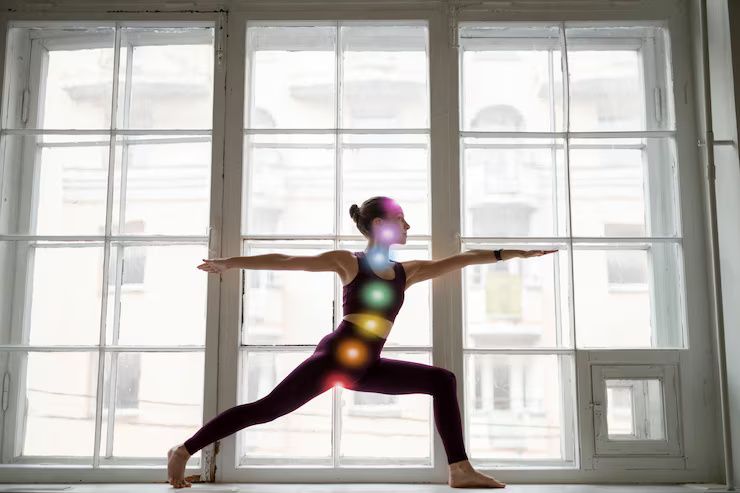
Why yoga wellness matters today
Yoga has become increasingly relevant in today's world due to rising stress levels, sedentary lifestyles, and mental health challenges. Modern life often includes long hours at desks, screen exposure, limited movement, and high-pressure environments, leading to physical and emotional strain.
Key benefits of yoga wellness:
-
Improves flexibility, strength, and posture
-
Enhances mental clarity and focus
-
Reduces symptoms of anxiety and depression
-
Supports heart and lung health through controlled breathing
-
Encourages mindfulness and better emotional regulation
Who benefits the most:
-
Office workers dealing with back and neck pain
-
Students facing academic stress
-
Older adults needing low-impact exercise
-
Individuals managing chronic conditions like hypertension or diabetes
-
Anyone seeking a better mind-body connection
Problems it helps address:
-
Chronic stress and burnout
-
Musculoskeletal discomfort
-
Insomnia and irregular sleep patterns
-
Low energy and motivation
-
Difficulty concentrating or staying present
Yoga wellness is not a one-size-fits-all solution, but its adaptable nature makes it accessible to a wide range of people, regardless of age or fitness level.
Recent trends and updates in yoga wellness (2024–2025)
Yoga continues to evolve with changes in technology, healthcare, and lifestyle habits. The past year has seen significant growth in digital wellness platforms and new forms of hybrid practice. Below are some recent developments:
| Trend | Description |
|---|---|
| Virtual yoga classes | Many studios now offer on-demand and live-streamed classes, making yoga accessible from home. Apps like Glo, Alo Moves, and Yoga International have grown in popularity. |
| Chair and desk yoga | With more people working remotely, interest has increased in practices that can be done at a desk or with minimal space. These are especially helpful for office employees and seniors. |
| Yoga therapy integration | Hospitals and wellness centers are integrating yoga therapy into treatment plans for pain management and mental health support. |
| Inclusive and adaptive yoga | 2025 saw continued efforts to make yoga accessible to people with disabilities or limited mobility, with props and modified movements. |
| AI-powered yoga feedback | New apps use smartphone cameras or wearables to provide real-time posture correction and form guidance using AI technology. |
In March 2025, the World Health Organization (WHO) highlighted yoga in its global wellness report as a low-cost, scalable strategy for preventive health care and stress management.
Government policies and global recognition of yoga
Yoga is widely recognized and supported by national and international organizations. Several countries promote yoga through educational, healthcare, and public wellness programs.
| Country | Policy or Program | Description |
|---|---|---|
| India | Ministry of AYUSH | Oversees traditional health systems including yoga; supports research, public classes, and teacher training. |
| USA | NIH & VA Yoga Programs | Yoga is supported by the National Institutes of Health and is offered in Veterans Affairs hospitals. |
| UK | NHS Wellness Initiatives | The National Health Service promotes yoga for mental health and chronic pain. |
| Australia | Workplace Wellness Programs | Several public and private sector employers offer subsidized yoga classes for staff well-being. |
| UN Recognition | International Day of Yoga (June 21) | Officially adopted by the UN in 2014; celebrated globally to promote awareness of yoga’s benefits. |
While yoga is generally unregulated, certified instructors are encouraged to follow ethical and safety guidelines. Some countries offer accreditation through yoga alliances or fitness organizations to maintain quality and professionalism.
Helpful tools and resources for practicing yoga
There is a wide range of accessible tools for individuals starting or deepening their yoga practice. These include apps, equipment, websites, and community platforms.
Mobile apps:
-
Down Dog – Customizable yoga sessions by level and duration
-
Yoga for Beginners – Easy routines for first-timers
-
Insight Timer – Includes guided meditations and breathing exercises
-
Daily Yoga – Offers fitness-focused routines with tracking features
Web platforms:
-
Yoga with Adriene (YouTube) – Free guided sessions for all levels
-
DoYogaWithMe – Online classes with filters by style and experience
-
Yoga Journal – Articles, videos, and poses categorized by health benefits
Equipment and props:
-
Yoga mats (non-slip, eco-friendly)
-
Blocks and straps for flexibility support
-
Cushions and bolsters for restorative poses
Books and guides:
-
Light on Yoga by B.K.S. Iyengar
-
The Heart of Yoga by T.K.V. Desikachar
-
Yoga Anatomy by Leslie Kaminoff
Community and professional associations:
-
Yoga Alliance (global registry of teachers)
-
IAYT (International Association of Yoga Therapists)
Using these tools can help individuals establish a consistent practice, monitor progress, and stay safe while learning.
Frequently Asked Questions (FAQs)
1. Do I need to be flexible to start yoga?
No. Yoga is designed to improve flexibility over time. Beginners can start at any level, and many poses can be modified with props or supports.
2. How often should I practice yoga to see benefits?
Practicing 2–3 times a week can lead to noticeable improvements in strength, balance, and mood. Daily short practices can also be effective.
3. Is yoga a form of religion?
While yoga has spiritual roots in Hindu and Buddhist traditions, modern yoga wellness is practiced as a secular form of physical and mental well-being. Participation does not require religious belief.
4. Can yoga help with anxiety or depression?
Yes, studies show that yoga can reduce symptoms of anxiety and depression by regulating breathing, improving sleep, and encouraging mindfulness. It is often recommended as a complementary therapy.
5. What style of yoga is best for beginners?
Hatha, restorative, and beginner Vinyasa yoga are often recommended for new practitioners. These styles focus on basic poses and slow movement.
Summary Table: Comparing Common Yoga Styles
| Yoga Style | Focus | Best For | Pace |
|---|---|---|---|
| Hatha | Basic postures, breathing | Beginners | Slow |
| Vinyasa | Flowing sequences | General fitness | Moderate to fast |
| Yin | Deep stretching, long holds | Flexibility, relaxation | Very slow |
| Restorative | Recovery, support | Stress relief, injury recovery | Very slow |
| Power Yoga | Strength, endurance | Active workout seekers | Fast |
| Chair Yoga | Modified poses | Seniors, mobility limitations | Gentle |
Final thoughts
Yoga wellness offers a gentle, effective, and holistic approach to health in the modern world. With its wide accessibility and proven benefits, yoga helps people build resilience—physically and mentally—while cultivating inner calm and clarity.
Whether practiced in a studio, online, or from the comfort of your home, yoga can adapt to your needs. Backed by tradition and supported by science, it continues to grow as a trusted part of daily wellness for millions worldwide.