The Ultimate Guide to Security Cameras: Everything You Need to Know
The primary purpose of security cameras is to enhance safety by providing visual records of events. Whether to deter theft, monitor behavior, or provide evidence in legal matters, these systems play a significant role in modern security strategies.
Security cameras have evolved over the years from simple analog systems to advanced digital and cloud-based platforms. Today, they often include features such as high-definition video, night vision, motion detection, remote access, and AI-powered analytics.Why security cameras matter today
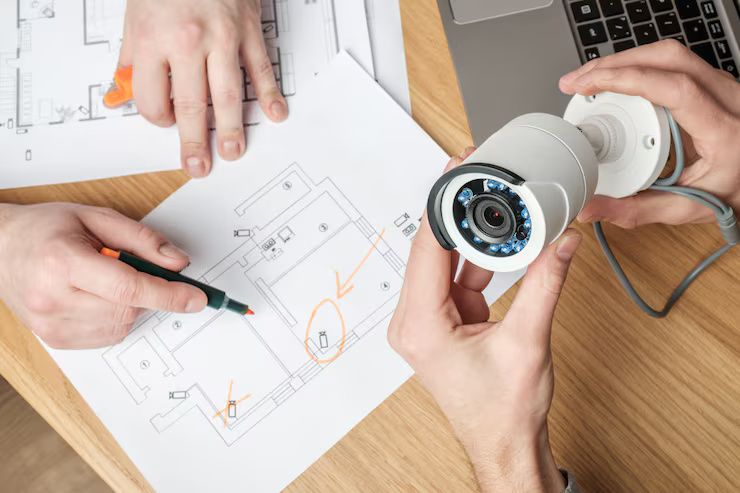
Security cameras are increasingly important in today’s world for several reasons:
-
Rising crime and vandalism: Theft, property damage, and intrusion are global concerns. Security cameras help deter potential criminal activity.
-
Urbanization and dense populations: With more people living in cities, public surveillance has become essential for managing safety in public spaces.
-
Home safety concerns: From package theft to unauthorized access, residential security is a growing concern for many homeowners.
-
Business protection: Companies rely on surveillance to secure inventory, monitor employee conduct, and comply with insurance requirements.
-
Emergency response and investigation: Footage from cameras often supports police and emergency services during investigations.
Who benefits from security cameras?
-
Homeowners
-
Business owners
-
School administrators
-
Law enforcement
-
Public transportation authorities
-
Government facilities
What problems do they solve?
-
Unauthorized entry detection
-
Real-time monitoring of premises
-
Evidence collection for investigations
-
Monitoring high-risk or sensitive areas
-
Supporting compliance and operational efficiency
Recent updates in security camera technology
The past year has seen several advancements and trends in the security camera industry. These include innovations in hardware, smarter software, and broader integration with digital systems.
| Trend | Description |
|---|---|
| AI-powered surveillance | Security cameras now use artificial intelligence to detect unusual behavior, identify individuals or vehicles, and minimize false alarms. |
| Cloud storage | More systems now offer cloud-based recording, eliminating the need for physical storage and enabling access from anywhere. |
| Improved night vision | New models feature color night vision and better infrared capabilities, improving clarity in low-light conditions. |
| Integration with smart homes | Cameras can now work with smart assistants like Alexa and Google Assistant for voice-controlled monitoring. |
| Data privacy enhancements | Features like end-to-end encryption and secure user authentication are becoming standard. |
In February 2025, several brands announced updates with real-time AI threat alerts, noise detection, and mask recognition to support safety protocols. Additionally, many vendors are focusing on low-bandwidth streaming options, allowing smoother performance in areas with slower internet speeds.
Legal considerations and government regulations
The use of security cameras is subject to laws and policies designed to balance safety with privacy. Regulations vary by country and even by region, but there are common principles that govern how surveillance can be used:
| Law/Policy | Country or Region | Key Provisions |
|---|---|---|
| General Data Protection Regulation (GDPR) | EU | Requires that security camera usage respects privacy rights and includes visible signage and limited retention periods. |
| Video Surveillance Guidelines | United States (state-dependent) | States like California and New York regulate where cameras can be placed and require consent for audio recordings. |
| Data Protection Act | UK | Requires organizations to register surveillance systems and explain how footage will be used and stored. |
| Private Security Industry Regulation Act | South Africa | Covers how surveillance systems are installed and monitored by private firms. |
Common legal rules include:
-
Cameras cannot be installed in areas where people expect privacy (e.g., bathrooms, private homes without consent).
-
Recorded data must be stored securely and only for a reasonable period.
-
Signs must notify people they are under surveillance in public or shared spaces.
-
Audio recording may require additional consent, depending on local laws.
Violating these rules can result in penalties, civil claims, or forced removal of equipment. It's important for both individuals and businesses to research local laws before installing security cameras.
Useful tools, apps, and resources for security camera users
There are many helpful platforms and tools for planning, managing, and monitoring security cameras. Below is a list organized by use case:
For Home Users:
-
Google Home App – Connects and manages Nest Cams.
-
Ring App – Controls doorbell and indoor/outdoor Ring devices.
-
Arlo App – Offers remote monitoring, motion alerts, and cloud recording.
For Business and Enterprise:
-
Milestone Systems XProtect – Advanced video management software for multiple locations.
-
Genetec Security Center – Unified security platform that combines video surveillance, access control, and analytics.
-
Eagle Eye Cloud VMS – Cloud-based video management with AI search and secure sharing.
Free and Open Source:
-
ZoneMinder – Linux-based surveillance system for home or business use.
-
Shinobi – Open-source CCTV solution with modern UI and REST API support.
Helpful Planning Tools:
-
Online camera placement calculators to estimate field of view
-
Bandwidth calculators to assess video streaming needs
-
Privacy impact assessment templates for businesses or institutions
When choosing tools, look for:
-
Secure login and data encryption
-
Motion detection and smart alerts
-
Cloud storage or SD card support
-
Mobile app compatibility
Frequently Asked Questions
1. Can I install a security camera inside my home without permission?
Yes, if you own the property or have permission from the owner. However, installing cameras in private areas where others may expect privacy (like guest rooms or shared bathrooms) could raise legal concerns.
2. Do I need internet access for a security camera to work?
Not always. Some cameras record to local storage (like SD cards or hard drives), but internet is required for remote access, cloud storage, and real-time alerts.
3. Are security cameras allowed in public areas?
Yes, but they must comply with privacy laws. Governments and businesses can use cameras in public areas for safety, but they often need to display clear signage and limit how long footage is stored.
4. How long is security camera footage kept?
Retention periods vary. Home systems may keep footage for days or weeks depending on storage space. Businesses and institutions often follow legal guidelines—ranging from 30 days to several months—especially when dealing with public safety or legal compliance.
5. What happens if my camera is hacked?
Unauthorized access can lead to privacy breaches or surveillance misuse. To reduce the risk:
-
Use strong, unique passwords
-
Enable two-factor authentication
-
Keep software and firmware updated
-
Avoid using default login credentials
Summary Table: Comparing Popular Security Camera Types
| Camera Type | Best Use | Key Features | Limitations |
|---|---|---|---|
| Wired CCTV | Large facilities, long-term setups | Stable connection, high-quality video | Harder to install, less flexible |
| Wireless Wi-Fi Cameras | Homes, small businesses | Easy to install, app control | Dependent on network strength |
| Doorbell Cameras | Residential entry points | Motion alerts, video calls | Limited field of view |
| PTZ Cameras (Pan-Tilt-Zoom) | Warehouses, large areas | Remote control, wide coverage | More expensive |
| Hidden Cameras | Discreet monitoring | Small, undetectable | Legal restrictions in many regions |
Final thoughts
Security cameras are a valuable part of modern safety infrastructure. Whether installed at home, in public spaces, or across business premises, these systems help deter threats, support investigations, and provide peace of mind.
With advancements in technology, growing legal oversight, and increasing public awareness, understanding how to use surveillance tools responsibly is more important than ever. Choosing the right system and staying informed about privacy laws can help ensure a balanced approach to safety and security.