The Ultimate Guide to Hair Fashion: Trends, Tips, and Styling Advice
Hair fashion is not limited to the runway or celebrities. It influences everyday choices—from school hairstyles to workplace looks to special-occasion grooming. Hair trends evolve through cultural shifts, media influence, and seasonal changes, making hair fashion both a personal and collective experience.
The industry includes professionals such as hairstylists, colorists, barbers, and product developers, all contributing to global trends and techniques that reflect individuality, gender expression, and cultural heritage.
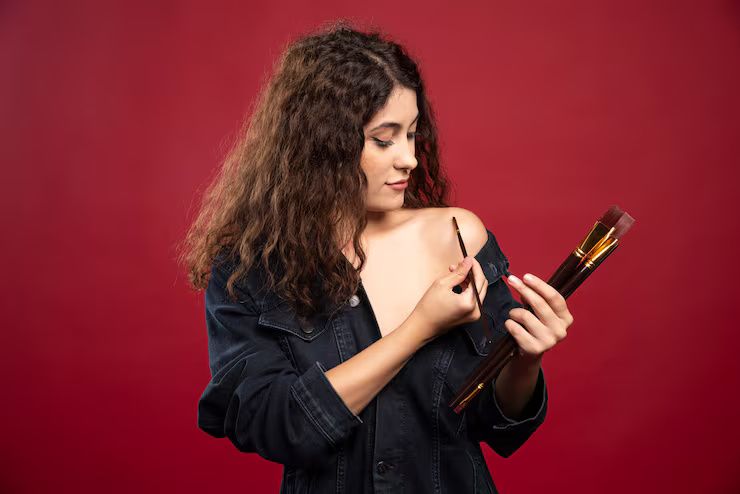
Why hair fashion matters today
Hair has long been a symbol of identity, and in today’s world, it plays an even bigger role in how people represent themselves across cultures, genders, and professions.
Here’s why it’s relevant:
-
Cultural identity: Hair styles often signify ethnic backgrounds or community traditions.
-
Self-expression: People use hair fashion to reflect personality, lifestyle, or emotional shifts.
-
Gender and inclusivity: Modern styles are increasingly gender-neutral, reflecting a wider range of expressions.
-
Health and wellness: Hair care is a key part of hygiene and self-care routines.
-
Social media influence: Platforms like Instagram, TikTok, and Pinterest have amplified trends globally and rapidly.
Who it affects:
-
Young adults and teenagers exploring identity
-
Professionals balancing style with workplace norms
-
Individuals dealing with hair loss or scalp health issues
-
Parents seeking hairstyles for children
-
Stylists and salon owners staying updated on trends
Problems it addresses:
-
Boosts confidence and self-image
-
Offers cultural recognition and pride
-
Provides solutions to manage or enhance natural hair textures
-
Supports creativity in personal grooming
Recent trends and updates in hair fashion (2024–2025)
Hair fashion continues to shift with technology, culture, and beauty standards. Over the past year, several trends have emerged across different demographics and regions.
| Trend | Description |
|---|---|
| Natural texture celebration | Many are embracing natural curls, coils, and waves, leading to a rise in texture-specific cuts and products. |
| Sustainable hair care | Brands are launching eco-friendly hair dyes, packaging, and shampoos as sustainability awareness grows. |
| Short styles for all genders | Buzz cuts, pixie cuts, and short bobs are popular among all genders, breaking traditional norms. |
| Vivid and pastel colors | Colors like lavender, silver, neon green, and soft pink are trending in 2025, especially among Gen Z. |
| Protective hairstyles | Braids, twists, and locs are being styled in new, fashion-forward ways, while protecting hair from damage. |
| Heat-free styling | Heatless curls, overnight wraps, and air-dry techniques are gaining popularity for healthier hair management. |
In March 2025, a global report from Allure Trends Monitor noted a 40% increase in consumer interest in low-maintenance and DIY-friendly hairstyles.
Social media influencers and hairstylists are also sharing more inclusive tutorials, celebrating a wide range of hair types, including Afro-textured, fine, and coarse hair.
Hair fashion and its relationship with laws or policies
Hair choices, while personal, can sometimes intersect with social norms, workplace regulations, and national policies. In recent years, advocacy for hair-related rights has led to significant legal discussions.
Key developments:
-
The CROWN Act (USA): This law prohibits discrimination based on natural hairstyles, such as afros, braids, and locs, in schools and workplaces. It has been adopted in over 20 U.S. states.
-
School policies: Some schools and institutions have updated uniform or grooming policies to allow diverse and culturally significant hairstyles.
-
Health and safety: In industries like food service or manufacturing, regulations may require hair coverings or specific hygiene standards.
Globally, there's a growing conversation around making hair policies more inclusive, particularly to support cultural identity and gender-neutral grooming.
Helpful tools and resources for hair styling and care
A wide range of digital and physical tools are available to help people explore, plan, and maintain their hairstyles.
Styling apps and digital tools:
-
YouCam Makeup: Try new hairstyles virtually using augmented reality.
-
Style My Hair by L’Oréal: Offers 3D virtual try-ons for cuts and colors.
-
Pinterest & TikTok: Platforms to browse hair tutorials and trending looks.
Hair type guides:
| Type | Characteristics | Needs |
|---|---|---|
| Type 1 (Straight) | Smooth, lacks curl | Volume and oil control |
| Type 2 (Wavy) | Soft waves | Frizz control, lightweight products |
| Type 3 (Curly) | Defined curls | Moisture, curl definition |
| Type 4 (Coily/Kinky) | Tightly coiled | Deep hydration, protective styling |
Educational websites and communities:
-
NaturallyCurly.com – Articles and product tips by curl type
-
Reddit Haircare Science – User-driven advice on ingredients and techniques
-
YouTube Tutorials – Stylists share how-tos on braiding, curling, cutting, and more
Tools to consider:
-
Diffusers for curly hair
-
Wide-tooth combs for gentle detangling
-
Microfiber towels to reduce frizz
-
Silk pillowcases for hair protection during sleep
Frequently Asked Questions
1. How often should I wash my hair?
It depends on hair type and lifestyle. Straight or oily hair may need washing every 1–2 days, while curly or dry hair might only need it once or twice a week.
2. Can I color my hair without damaging it?
Yes, using ammonia-free or semi-permanent dyes can reduce damage. It's also important to deep-condition regularly and avoid overlapping color sessions.
3. What’s the best haircut for my face shape?
While personal preference matters most, general guidelines suggest:
-
Round faces: long layers or angled cuts
-
Oval faces: most styles work well
-
Square faces: soft waves or side parts
-
Heart-shaped: chin-length bobs or bangs
4. How do I protect my hair from heat styling?
Always use a heat protectant spray or serum before using flat irons, curlers, or blow dryers. Limit heat use to a few times per week and opt for lower temperatures.
5. Are there hairstyles that help reduce breakage?
Yes. Protective styles such as braids, buns, and twists reduce manipulation. Using silk accessories and avoiding tight styles also prevents damage.
Final thoughts
Hair fashion is more than just trends—it’s a reflection of culture, identity, and self-expression. With increasing awareness around inclusivity, sustainability, and personal care, the world of hair styling is more accessible and diverse than ever before.
Whether embracing your natural texture, trying a bold new color, or learning the best way to care for your hair type, staying informed helps you make thoughtful and healthy choices. This guide is meant to provide a foundation for exploring hair fashion with confidence, respect for diversity, and attention to personal well-being.