Explore LED Floor Lighting: A Complete Guide with Tips and Insights
LED technology has gained popularity due to its low energy consumption, durability, and design flexibility. As lighting continues to evolve with technology, LED floor lighting offers both functional and aesthetic value.
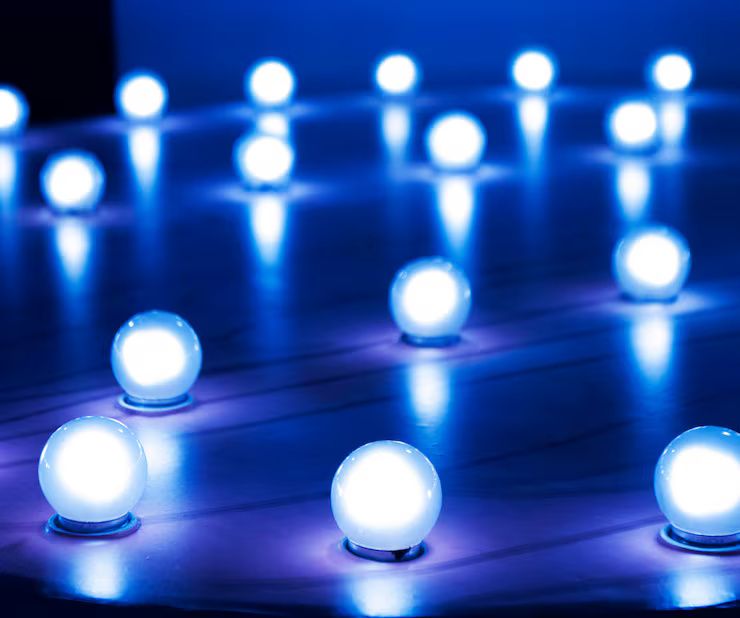
Why LED floor lighting matters today
In today’s built environments, lighting does much more than illuminate. It contributes to safety, mood, sustainability, and accessibility.
Who uses LED floor lighting?
-
Homeowners: For stylish ambient lighting and night-time navigation.
-
Businesses: To create visually appealing environments or improve customer experience.
-
Urban planners: For safer, energy-efficient public walkways.
-
Architects and designers: To emphasize space and structure.
-
Hospitals and care homes: To assist movement, especially at night.
Problems solved by LED floor lighting:
-
Improves safety by lighting steps, corners, or dark pathways.
-
Reduces energy consumption compared to traditional bulbs.
-
Enhances accessibility for older adults and people with low vision.
-
Supports modern design goals in minimalist or smart homes.
LEDs also last significantly longer than traditional incandescent or fluorescent lighting, reducing the need for frequent replacements.
Recent updates in LED floor lighting (2024–2025)
LED lighting continues to evolve rapidly, and floor lighting solutions have seen several important innovations and trends in the past year:
| Trend | Description |
|---|---|
| Smart integration | In 2025, major brands like Philips and Nanoleaf launched LED floor lighting that integrates with smart home systems (Alexa, Google Home, Apple HomeKit). Users can schedule, dim, or color-adjust lights via mobile apps. |
| Energy efficiency gains | Advances in chip design have made LED lights more energy-efficient than ever. New models introduced in late 2024 consume 10–15% less power with the same brightness levels. |
| RGB and dynamic color control | More consumers are opting for color-changing LEDs with programmable effects, ideal for events, home theaters, and hospitality design. |
| Modular lighting strips | Products like bendable LED strips for floor edging or staircases have grown in popularity due to ease of installation and creative potential. |
| Sustainable materials | Brands have started incorporating recycled plastics and eco-friendly materials in LED housing and diffusers, aligning with global green initiatives. |
As demand grows, manufacturers continue to improve ease of use, durability, and environmental impact.
Laws and regulations affecting LED floor lighting
Several regulations influence how LED lighting is manufactured, used, and sold, especially concerning safety, energy efficiency, and environmental impact.
Energy and lighting regulations across regions:
| Region | Regulation | Description |
|---|---|---|
| United States | DOE Energy Efficiency Standards | The Department of Energy enforces minimum efficiency ratings for LEDs, including floor lights. |
| European Union | Ecodesign Directive (2021 update) | Bans inefficient lighting and requires recyclability and labeling of LEDs. |
| Australia | GEMS (Greenhouse and Energy Minimum Standards) | Sets performance and labeling rules for LED products. |
| India | BEE Star Rating for LEDs | Rates LED products based on energy efficiency. Compliance is encouraged for building codes. |
Safety and fire standards:
Recessed or embedded LED floor lighting often needs to meet electrical safety and fire resistance requirements (e.g., UL certification in North America or CE marking in Europe).
Building and accessibility codes:
In public or commercial spaces, local building codes may require low-level lighting for emergency paths, stairwells, or disability-friendly environments.
Tools and resources for LED floor lighting planning
Planning and installing LED floor lighting can be easier with access to digital tools, calculators, and design platforms. Here are some useful resources:
Online lighting planners:
-
Dialux: A free software for lighting design, useful for architects and engineers.
-
Relux: Advanced lighting simulation software for building professionals.
-
Roomstyler: Easy-to-use interior design tool that includes lighting placement.
Mobile apps for smart lighting:
-
Philips Hue App
-
LIFX App
-
Govee Home
-
Tuya Smart
Calculators:
-
LED lumen calculators (available on most lighting vendor websites) to help determine brightness needs based on room size and purpose.
-
Energy savings calculators to compare LED lighting costs over time with traditional lighting.
Educational content and guidelines:
-
U.S. Department of Energy Lighting Resources
-
European Lighting Experts Portal (LightingEurope)
-
Sustainable Lighting Guide (Green Building Councils)
Using these tools can help balance functionality, aesthetics, and compliance during planning and installation.
Frequently Asked Questions
1. Can LED floor lights be installed outdoors?
Yes. Many LED floor lights are designed for outdoor use and come with IP ratings (e.g., IP65) to resist water and dust. Always check the product’s rating for outdoor suitability.
2. Are LED floor lights dimmable?
Many models are dimmable, especially when integrated with smart systems. However, ensure the lights and drivers are compatible with dimming features to avoid flickering.
3. Do LED floor lights generate heat?
Compared to incandescent bulbs, LEDs emit very little heat. However, embedded fixtures should still allow for ventilation to avoid overheating in enclosed spaces.
4. How long do LED floor lights last?
LEDs typically last between 25,000 to 50,000 hours. This translates to many years of use, even with daily operation, depending on quality and usage conditions.
5. Can I retrofit existing floor lighting with LEDs?
In many cases, yes. Retrofit kits or LED-compatible fixtures are widely available. However, check voltage and size compatibility, and consider consulting an electrician for safety.
Summary comparison of floor lighting types
| Lighting Type | Energy Efficiency | Installation Complexity | Common Use |
|---|---|---|---|
| LED Recessed Lights | High | Moderate to high | Hallways, stairs, theaters |
| LED Strip Lights | High | Low to moderate | Accent lighting, under cabinets, floor edges |
| Smart LED Lamps | High | Low | Freestanding or movable interior lights |
| Solar LED Pavers | Medium | Moderate | Outdoor walkways and decks |
Final thoughts
LED floor lighting plays a growing role in how we design, use, and experience spaces. Its applications go beyond aesthetics—it offers real benefits in safety, sustainability, and smart control.
As LED technology continues to evolve, it’s becoming more efficient, customizable, and accessible. Whether for homes, offices, or public infrastructure, LED floor lighting offers a modern, eco-conscious approach to illumination.